September 9, 2026
Professional drywall installation can have a significant effect on how a home looks and functions. Smooth walls and ceilings create the foundation for attractive paint, trim, lighting, and other interior finishes. However, achieving that result requires more than simply attaching drywall panels to framing.
When homeowners hire an experienced drywall service, they can expect a carefully coordinated process that accounts for the condition of the structure, the intended use of each room, and the desired appearance. From preparing the work area to completing the final finishing work, skilled installers focus on accuracy and consistency throughout the project.
Preparing the Home for Installation
Evaluating the Framing and Existing Surfaces
A professional installation begins with an assessment of the surfaces where the drywall will be installed. For new construction, this typically involves checking wall and ceiling framing to make sure studs, joists, and other structural components are properly positioned. Installers look for uneven framing, protruding fasteners, gaps, or other conditions that could affect how the panels set against the structure.
For remodeling projects, preparation may involve removing damaged drywall, inspecting exposed framing, or addressing problems behind the existing walls. An experienced drywall service does not simply cover questionable surfaces and move on. Identifying irregularities before panels are installed can help prevent visible imperfections and reduce complications later in the project.
Protecting the Work Area
Drywall installation involves cutting, fastening, sanding, and other activities that can create dust and debris. Before work begins, installers can prepare the area by protecting floors, furnishings, fixtures, and other surfaces that should remain clean. They may also establish a designated area for cutting materials and organizing tools.
Homeowners can generally make the process easier by clearing any furniture or belongings from the rooms being worked on. Professional installers can then move efficiently through the space while maintaining an organized work environment. Careful preparation also helps reduce the chance that finished portions of the home will be damaged during construction.
Selecting Appropriate Materials
Different rooms and applications can require different drywall solutions. A standard panel may be suitable for many living areas, while specialized products can be appropriate in locations exposed to moisture or increased humidity. Bathrooms, kitchens, laundry rooms, basements, and other areas may require additional consideration when materials are selected.
According to This Old House, drywall is commonly available in 4-by-8-foot sheets and is manufactured in multiple thicknesses. The appropriate material depends on factors such as the installation area, structural requirements, moisture exposure, and desired performance. An experienced drywall service can evaluate these conditions and determine which materials are appropriate for the project.
Installing and Finishing the Drywall
Measuring and Cutting the Panels
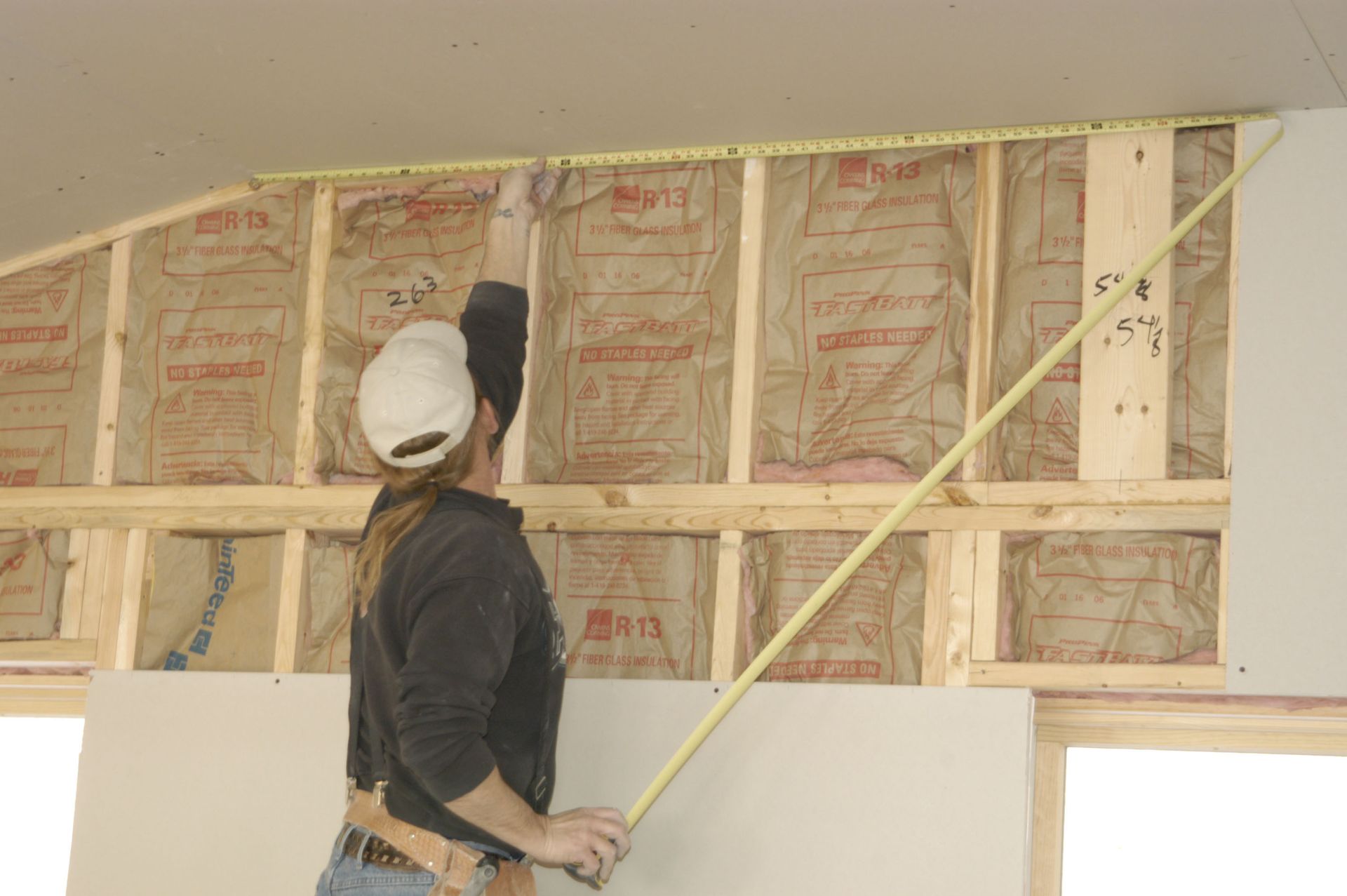
Once the work area and materials are prepared, installers begin measuring the walls and ceilings and determining how individual panels should be positioned. Accurate measurements are important because drywall must accommodate corners, doors, windows, outlets, switches, plumbing fixtures, and other features. Poorly planned cuts can create unnecessary seams or waste material.
Installers carefully cut panels to fit the dimensions of each area before fastening them to the framing. A professional drywall service pays close attention to panel placement so that seams are positioned appropriately and the finished surface remains as consistent as possible. Ceiling work can require additional care because panels must be securely supported while installers work overhead.
Fastening Panels Securely
After the panels have been cut and positioned, installers fasten them to the framing using appropriate screws or other fastening methods. The fasteners need to be placed at suitable intervals and driven to the correct depth. If they are driven too deeply, they can damage the drywall surface. If they are not set properly, they may interfere with the finishing process.
Installers also consider how adjacent panels meet at seams and corners. Consistent spacing and secure fastening help create a stable surface that is ready for joint treatment. In some homes, the installation may include both walls and ceilings, requiring installers to coordinate the placement of multiple surfaces so the finished result appears uniform throughout the room.
Applying Joint Compound and Tape
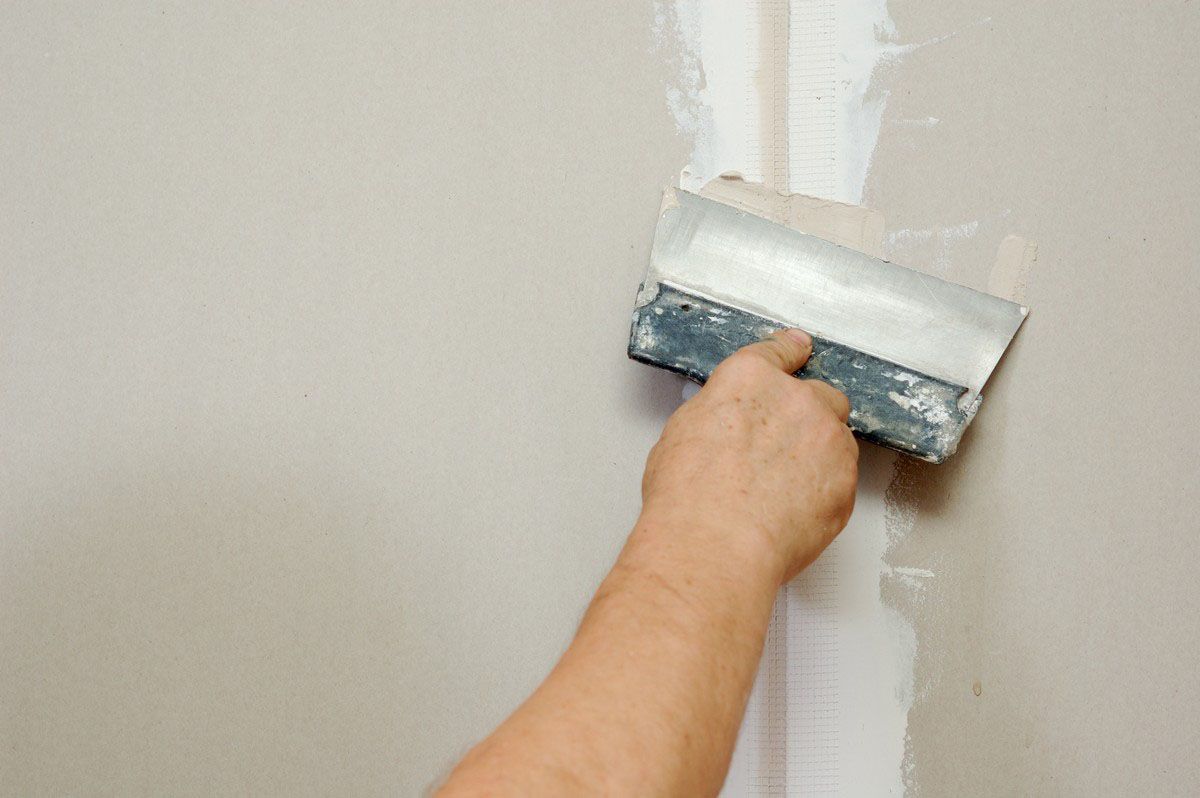
After the drywall panels are installed, the seams between them must be finished. Installers apply joint tape and compound to cover seams, fasteners, corners, and other transitions. Multiple applications may be necessary because the compound needs to dry between coats before additional material can be applied.
This stage requires patience and attention to detail. The goal is to create transitions that are difficult to detect after the surface is painted. A qualified drywall service carefully feathers the compound outward from seams and fasteners, gradually blending repaired areas into the surrounding drywall rather than leaving raised or uneven sections.
Completing the Surface and Final Inspection
Sanding for a Smooth Finish
Once the joint compound has dried sufficiently, installers sand the surface to remove ridges, excess compound, and other irregularities. This step helps create the smooth appearance homeowners typically expect from newly installed drywall. Sanding may be repeated as needed until seams and fastener locations blend appropriately with the surrounding surface.
Professional installers understand that excessive sanding can also create problems. Sanding too aggressively can damage the paper surface or expose areas that were intended to remain covered. Careful finishing helps produce a consistent surface without unnecessarily compromising the drywall.
Addressing Corners and Detailed Areas
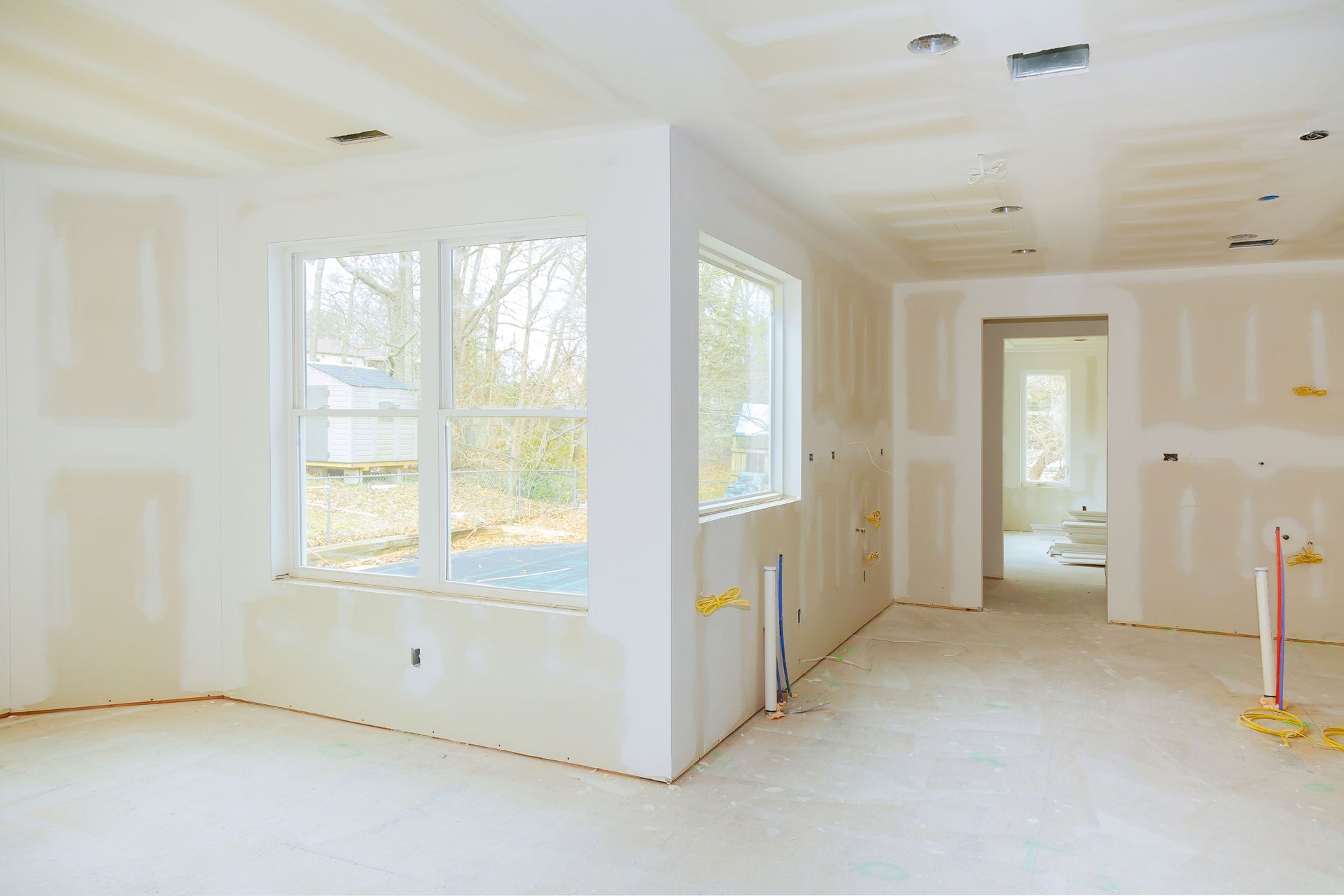
Corners, edges, openings, and transitions require additional attention during the finishing process. Installers may use corner bead or other appropriate materials to create clean, durable outside corners. They also finish areas surrounding doors, windows, electrical boxes, and other openings so these features integrate neatly with the completed walls.
These details can have a substantial effect on the overall appearance of the room. Even when the broad wall surfaces look smooth, poorly finished corners or uneven transitions can remain noticeable after painting. A skilled drywall service examines these areas closely rather than treating them as minor finishing details.
Inspecting the Completed Work
Before the project is considered complete, installers inspect the finished surfaces for imperfections that may need additional attention. They can look for visible seams, dents, ridges, uneven corners, exposed fasteners, or other flaws that could become more apparent once primer and paint are applied. Addressing these issues before the next stage of construction can help produce a cleaner final appearance.
Homeowners should also have an opportunity to review the completed installation and discuss any concerns with the contractor. Professional installers can explain what was completed and identify any remaining work, such as priming, painting, or trim installation. Depending on the project, these finishing services may also be coordinated as part of the broader home renovation.
Professional drywall installation is a detailed process that extends well beyond hanging panels on walls. Proper preparation, accurate cutting, secure fastening, careful joint finishing, and thorough inspection all contribute to a smooth and attractive result. Each stage also provides an opportunity for experienced installers to identify potential issues before they affect the finished appearance.
By choosing an expert drywall service, homeowners can have their installation handled with careful attention to the structure, materials, room conditions, and desired finish. Whether the project involves a single room, a basement, a ceiling, or an entire home renovation, professional workmanship can help create clean surfaces that are ready for the next stage of construction. Contact Magic Drywall LLC to schedule your professional drywall installation and give your home a smooth, polished finish.